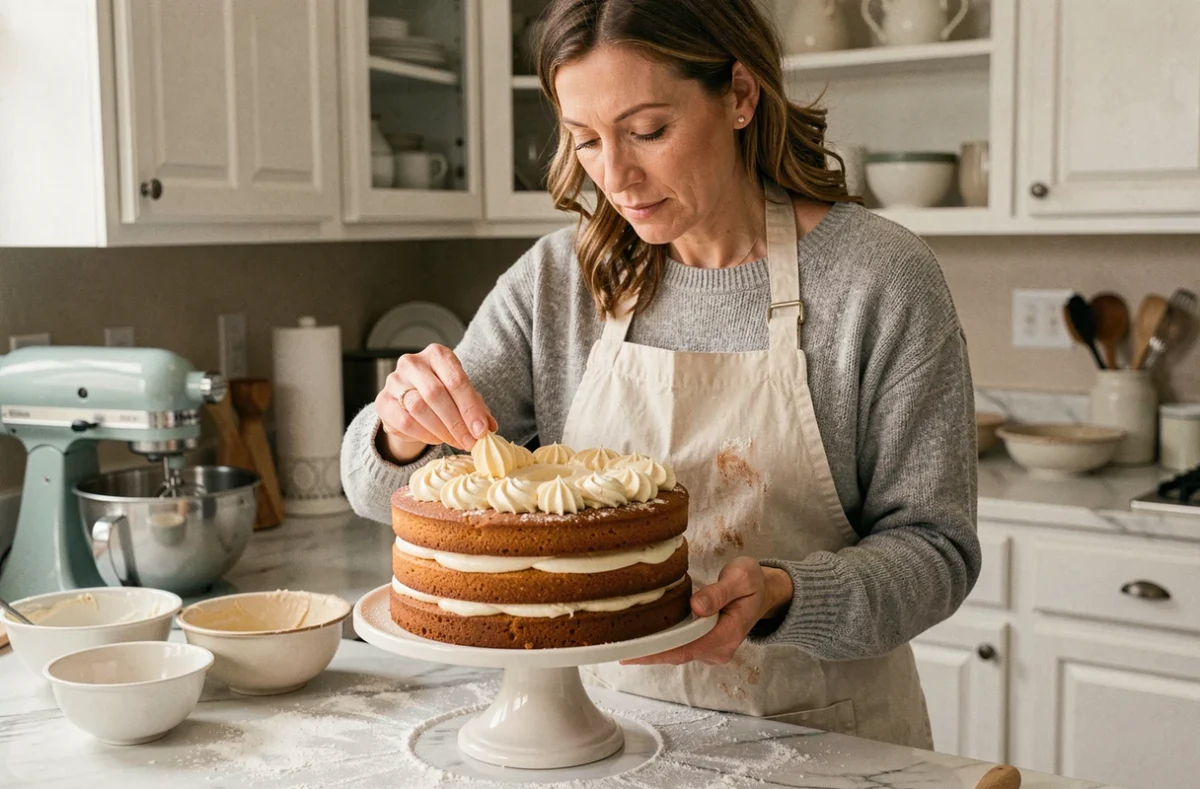
Making a moist cake at home rarely comes down to natural talent. Home baking relies on precise techniques, carefully chosen ingredients and a few rules that recipes don’t always explain. Butter that’s too cold, cream that hasn’t cooled properly or the wrong type of flour can turn a delicious dessert into a disappointment. Understanding how these things work makes all the difference, whether you’re making a simple loaf cake or a chocolate entremet.
Storing pastry cream: the hidden risk after cooking
Have you ever noticed that pastry cream can taste and feel just right, yet spoil within a few hours? The problem isn’t the recipe. It’s what happens afterwards.
Cooling pastry cream quickly is just as important as cooking it properly. Cream left at room temperature for too long becomes a breeding ground for bacteria, even if it has been brought to a boil. The best approach is to spread the cream onto a tray, cover it with cling film pressed directly against the surface, then refrigerate it as soon as possible.
This applies to all preparations made with eggs and milk. A cream-filled cake, a homemade mille-feuille or filled choux pastries all follow the same principle. Professionals such as Mademoiselle Caramel know how to handle these storage steps, but at home, they’re often overlooked because recipes rarely spell them out.
As a rule, never leave pastry cream out of the fridge for more than an hour. And if you’re making dessert for the next day, assemble it at the last minute rather than the night before.
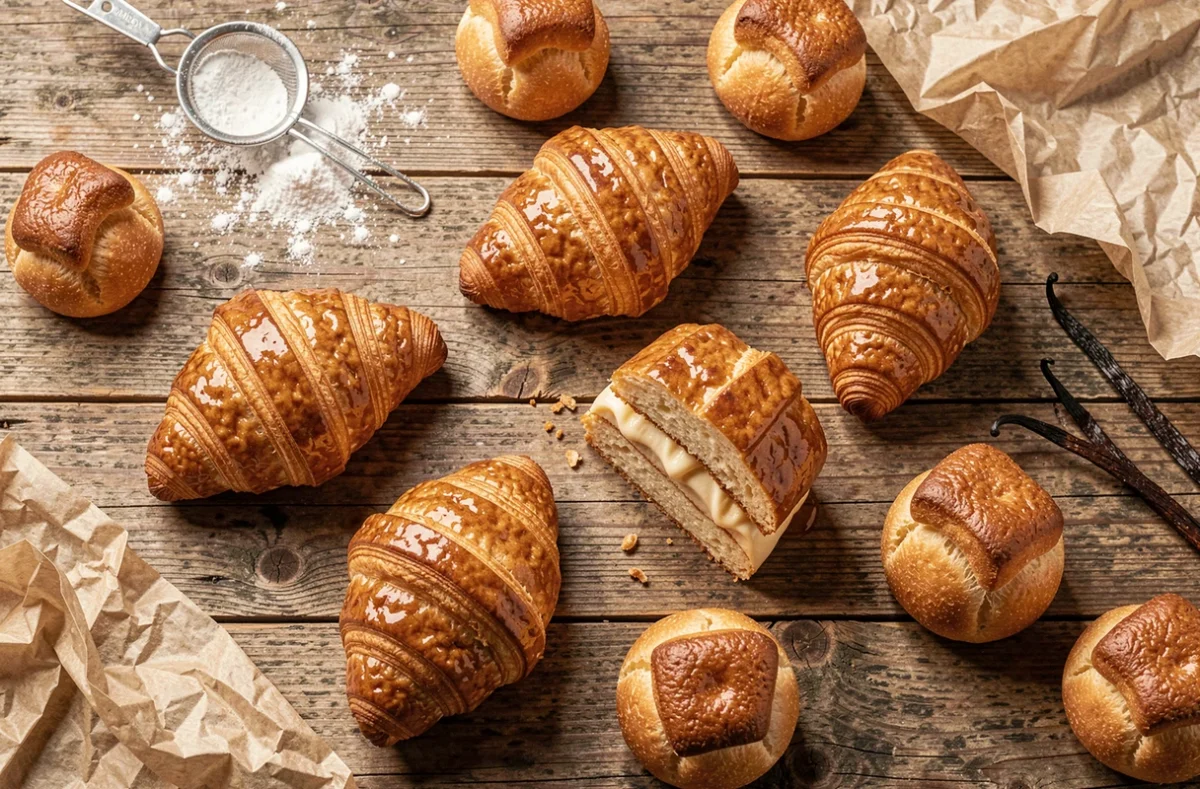
Allergens and selling homemade cakes: what the regulations require
Making pastries for yourself is unrestricted. Selling them or giving them away as part of an organised activity (at a market, through an association or online) is another matter. European Regulation No. 1169/2011 and French Decree No. 2015-447 require consumers to be informed about allergens.
For distance selling, allergen information must be available before purchase and at the time of delivery. A simple message on an order page isn’t always enough: customers must be able to check the list before paying and find it again when their order arrives.
Why does this matter for home baking? Because wheat flour, eggs, milk, tree nuts and butter are among the major allergens. A classic chocolate cake contains at least three of them. If you sell your creations, even occasionally, clearly list every allergenic ingredient.
Adapting a recipe without sacrificing flavour
Replacing wheat flour with rice or almond flour changes the texture. A gluten-free cake often needs an extra binder (guar gum or ground flaxseed, for example) to keep it from becoming crumbly.
For eggs, applesauce or mashed banana work well in moist cakes, but less so in yeasted doughs, which rely on the emulsifying properties of the yolk. Every substitution has its limits, and knowing them helps prevent baking mishaps.
- T45 flour for delicate doughs (shortbread, biscuits), T55 flour for yeasted doughs and cakes—the type of flour directly affects the cake’s texture
- Room-temperature butter (softened) for creamy doughs; cold, diced butter for puff pastry or shortcrust pastry
- Take eggs out of the fridge at least thirty minutes before use so they incorporate more easily into the mixture
Nutrition claims in baking: promises that don’t pass muster
“High-protein”, “sugar-free” and “healthy” desserts are becoming increasingly common on social media. It’s tempting to present homemade pastries as healthy products, but these claims are strictly regulated.
The terms “source of protein” and “high in protein” are subject to specific regulatory thresholds. They can’t be used freely on a label or in a sales description. Claims about health effects (such as promoting weight loss or improving digestion) are also not permitted as simple marketing claims.
In practice, if you sell a chickpea flour cake and describe it as “high in protein”, you need to check that its actual protein content meets the required threshold. Professionals know how to make these calculations. For home bakers, it’s best to describe the ingredients without making claims about their benefits.
International influences and French baking
Mochi textures from Japan, sweet potato desserts and more substantial cakes inspired by Anglo-Saxon baking are all influencing today’s creations. These trends aren’t just about “healthy” eating: they bring new textures and fresh approaches to balancing sweetness.
French baking remains rooted in high-quality ingredients and technical expertise. Bringing in an international influence works best when you understand why the original recipe works before changing it.
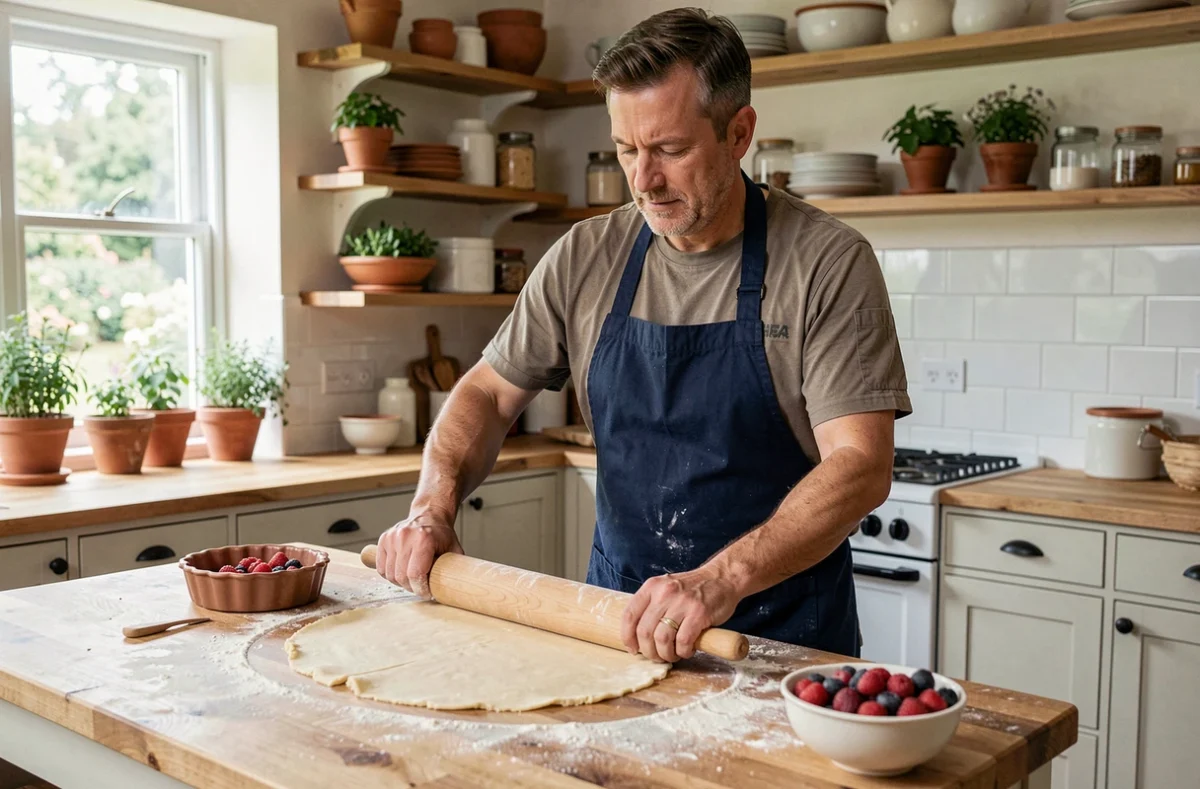
Ingredient temperature and oven baking: two underestimated factors
Most home-baking failures come down to temperature, not incorrect measurements. Butter that’s too soft makes biscuits spread flat. Eggs that are too cold can stop a mousse from whipping up properly.
Each ingredient has an ideal working temperature, and sticking to it can transform the result. Softened butter (pliable but not liquid) is best achieved by leaving it at room temperature, not by microwaving it, which melts it unevenly.
As for the oven, properly preheating it (waiting until the temperature is stable, not just until the indicator light goes off) ensures an even rise. Opening the oven door during the first twenty minutes of baking can make a moist cake collapse irreversibly.
- Preheat the oven for at least fifteen minutes before baking to ensure even heat
- Never open the door before halfway through the baking time given in the recipe
- Check for doneness with the tip of a knife rather than relying on the timer alone
Delicious home baking doesn’t require professional equipment or technical training. It does call for care with the steps before and after baking: ingredient temperatures, cooling creams, and providing allergen information if you share or sell your desserts. These details, rarely included in recipes, are what make the difference between an acceptable cake and a dessert you’ll be happy to make again.