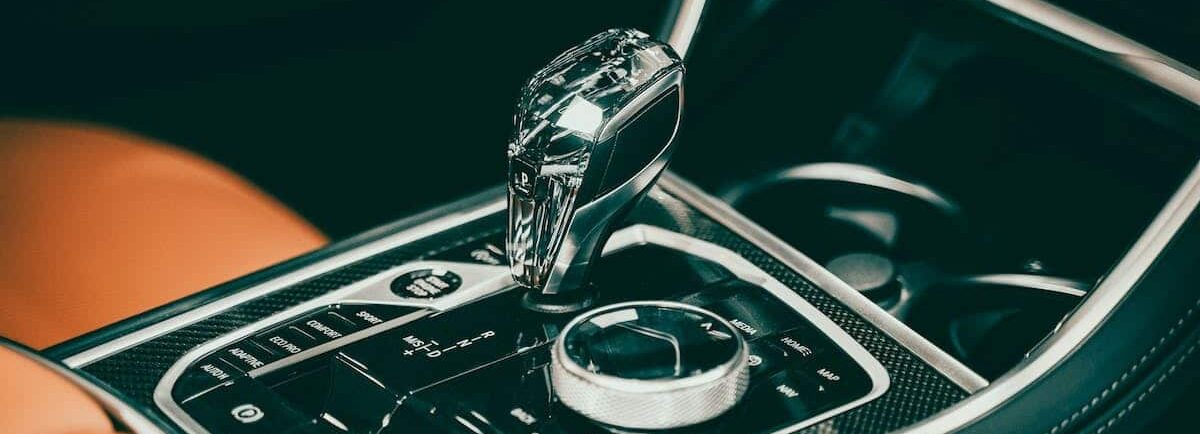
In the world of automobiles, the letters PRND on an automatic transmission are as essential as the steering wheel for directing your vehicle. They are found on the gear lever and are English initials illustrating the different functionalities of the transmission. These letters may seem mysterious to the uninitiated, but once deciphered, they reveal a simple and logical system. By mastering their meaning, you gain confidence and safety while driving. Let’s demystify these initials, which are more than just a simple series of letters, but a key to smoother and more serene driving.
Decoding the letters PRND: understanding how the automatic gearbox works
The origin of the PRND system dates back to the early automatic transmissions developed in the 1940s. At that time, automatic transmission was a revolutionary innovation aimed at simplifying driving for novice drivers or those who preferred to avoid the effort of manually changing gears.
The concept of the letters PRND was introduced by General Motors (GM), one of the leading American automobile manufacturers. GM launched the first model equipped with an automatic transmission in 1940, and this system quickly became the standard in the automotive industry.
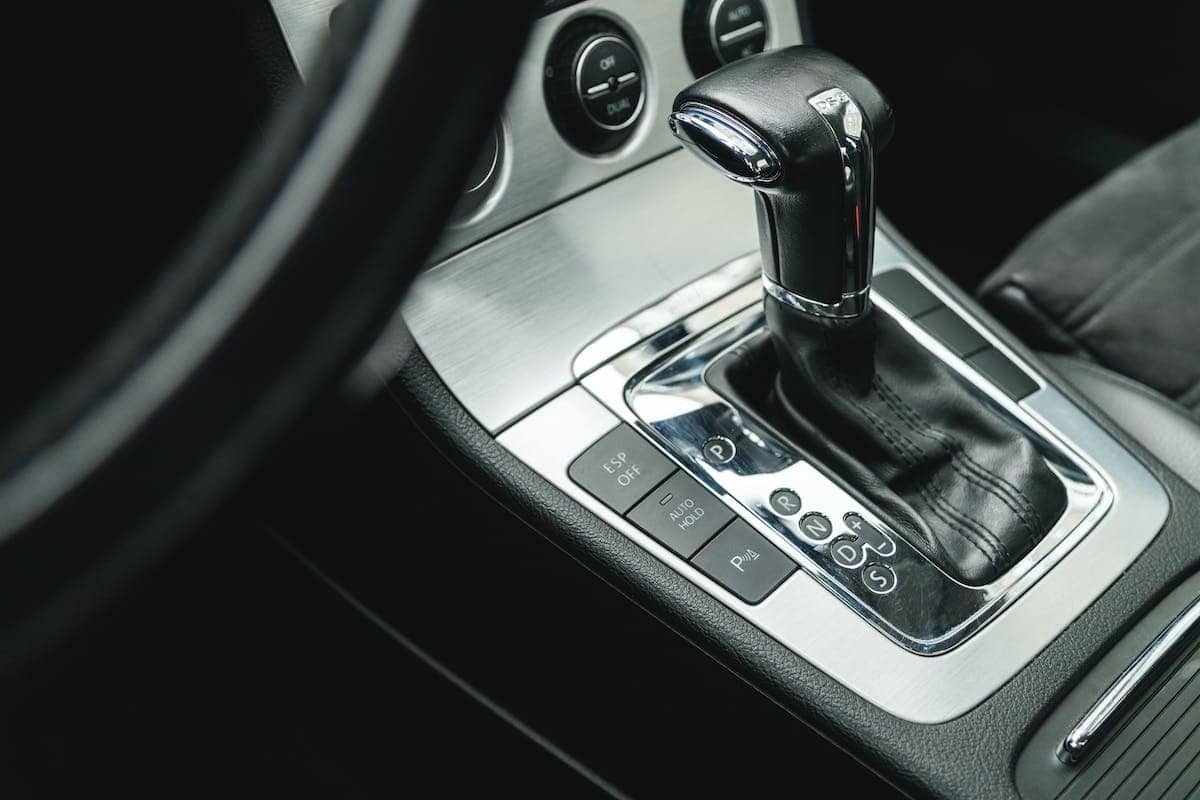
The letters PRND stand for Park, Reverse, Neutral, and Drive, respectively. Each letter corresponds to a specific function of the transmission. When the lever is set to P or Park, it completely locks the wheels to prevent any unintended movement of the vehicle. The R position allows the vehicle to move in reverse, while N completely disengages the transmission and allows free movement of the vehicle without any resistance or engine braking.
The letter D is the one most commonly used during normal driving. It activates all gears to allow the vehicle to move forward with different levels of power and efficiency as needed. Some models may also include additional modes such as S for Sport or M for Manual, providing more direct control over gear changes.
Over the decades, the PRND system has undergone significant evolution and improvements. Nowadays, many automatic cars are also equipped with options such as Eco mode (for more economical driving), Snow mode (for slippery conditions), or Sport mode, which allows for a quicker and more dynamic engine response.
Despite the undeniable advantages offered by the automatic gearbox, some drawbacks remain. Some drivers may find less enjoyment in driving due to the lack of manual control over gear shifts.
The history of the letters PRND: how did this system come about
Now let’s take a closer look at the function of each letter in the PRND system of an automatic gearbox.
Starting with the P position, which stands for ‘Park’. When you place your lever in this position, the transmission gears lock and completely immobilize the wheels. This prevents any unintended movement of the vehicle when you are stationary. The Park mode is essentially used when you park your car and want to keep it in place without using the handbrake.
Next, we have the R position for ‘Reverse’. By placing the lever in this position, the transmission engages in a specific gear that allows the vehicle to safely reverse. It is important to note that when reversing, one must always be vigilant and carefully check what is behind to avoid any accidents.
The N position represents ‘Neutral’. Here, the transmission is disengaged from all gears and does not transmit any power to the vehicle’s wheels. In other words, this is the scenario when total freedom of movement of the vehicle is needed, without resistance or engine braking, such as when manually pushing a parked car or towing it.
Finally, we arrive at the D position for ‘Drive’. This is the one most commonly used in daily driving. Specifically, unlike the other positions where it activates all available gears as needed, it allows forward movement with different levels of power and efficiency. The D position transmits the engine’s power to the vehicle’s wheels based on the situations, such as the necessary acceleration or deceleration.
It should be mentioned that some models of automatic cars offer a wider range of additional modes. Some vehicles provide a Sport mode (S) that optimizes engine responses for a more dynamic and sporty drive. There is also sometimes a Manual mode (M), which allows the driver to manually select the gears to use, thus offering more direct control over gear changes.
The PRND system used in automatic gearboxes is designed to simplify daily driving by providing clearly defined options for different needs and situations. Whether you are parking (P), reversing (R), in neutral (N), or driving normally (D), it is essential to understand how each letter works to properly use your automatic gearbox and optimize your driving experience.
PRND: a code to decode to understand each letter
The evolutions of the PRND system have closely followed the technological advancements in the automotive field. Over the years, new features and modes have been integrated to provide drivers with a more personalized and secure driving experience.
We have witnessed the introduction of Eco mode in some models of automatic cars. This mode is designed to optimize fuel consumption by adjusting engine parameters and promoting smoother driving. By activating this mode, you can benefit from better energy efficiency while reducing your environmental footprint.
The rise of hybrid and electric vehicles has led to the emergence of EV (Electric Vehicle) mode. When you select this mode on your automatic gearbox, the vehicle uses exclusively its electric energy source without resorting to the thermal engine. This allows drivers to drive silently with zero emissions for a certain distance before the combustion engine is engaged.
The evolutions of the PRND system over the years
The widespread adoption of automatic gearboxes has led to a reflection on the advantages and disadvantages of this type of transmission. It is important to understand that, while they offer a number of benefits, they may not necessarily suit everyone.
One of the main advantages of the automatic gearbox is its ease of use. Drivers no longer need to manually shift gears, making driving more comfortable and less tiring, especially in urban traffic jams. This also allows people with physical issues or mobility restrictions to drive without difficulty.
Another major advantage is the overall improvement in driving comfort. With an automatic gearbox, there are no jerks during gear shifts and the vehicle always maintains an optimal speed according to road conditions. This results in a pleasant experience for passengers and helps reduce driver fatigue.
Automatic gearbox: advantages and disadvantages to know
You need to understand the meaning of the letters PRND on an automatic gearbox. This knowledge allows drivers to use their vehicle correctly and optimize their driving performance.
The letter P corresponds to the ‘Park’ position, which locks the gears and prevents any engine rotation. It is a position to use when the vehicle is completely stopped, such as when parking.
The R position represents ‘Reverse’. It allows the driver to safely reverse the vehicle.
N refers to ‘Neutral’, where no gear is engaged. This position can be used when the engine is running but the vehicle should not move forward or backward, such as during a long stop at a red light.
D indicates ‘Drive’, which engages the transmission to move forward. In this position, the automatic gearbox will automatically choose the appropriate gears based on driving conditions and the pressure applied to the accelerator.
It should be mentioned that there are often additional modes such as S (Sport) or M (Manual), which offer more manual control over the gears and can enhance the sporty driving experience for those who prefer to have some level of intervention in gear selection.
Understanding these different positions and knowing when to use them is therefore crucial for any driver wishing to fully benefit from an automatic gearbox. Proper use contributes not only to a pleasant and comfortable driving experience but also to road safety.
The primary goal of an automatic gearbox is to facilitate driving and make travel more enjoyable. By understanding and mastering the letters PRND, drivers can fully enjoy the benefits offered by this technology while ensuring safe and efficient use on our roads.
PRND: why it is essential to understand this code on an automatic gearbox
Knowledge of the different positions of the automatic gearbox is essential for any driver. This maximizes the vehicle’s performance and improves energy efficiency.
The ‘Park’ (P) position locks the gears and immobilizes the vehicle when it is stopped. You should always use this position when parking, as it prevents any unexpected wheel rotation.
As for the letter R, it corresponds to reverse (‘Reverse’). By engaging this position, the driver can safely back up their vehicle, whether to exit a parking spot or perform a delicate maneuver.
Neutral (N), on the other hand, disengages all gears and allows the engine to run without moving the vehicle. This option is often used when you are waiting at a red light or during a prolonged stop where it is not necessary to move forward or backward.
The D position represents ‘Drive’, which sets the vehicle in motion forward. When you select this option, the automatic gearbox automatically chooses the appropriate gears based on road conditions and your driving style.
You can also use additional modes such as S (Sport) or M (Manual). These modes offer more control over the gears and are generally used by those who prefer a sporty or personalized experience when driving their car with an automatic gearbox.
By fully understanding these different positions, you can optimally use your automatic gearbox and fully benefit from it.