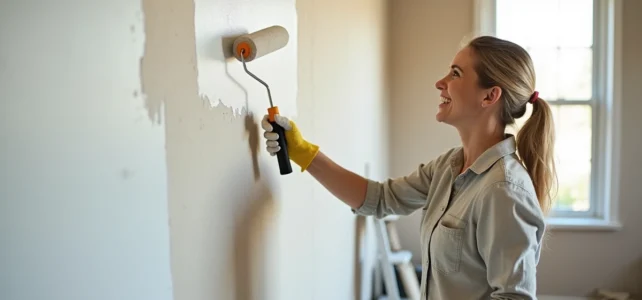
Improving your home doesn’t necessarily require a large-scale renovation. Some targeted interventions focused on insulation, storage, or finishing materials can have a measurable impact on daily comfort and energy bills. However, it’s essential to know which ones to prioritize and in what order.
Insulation and heating: the biggest contributors to energy bills
When comparing the different areas of heat loss in a house, not all are equal. The table below summarizes the typical orders of magnitude considered by building professionals for an uninsulated single-family home.
Read also : How to Manage Your Online Academic Messaging: Tools and Tips to Know
| Heat loss area | Estimated share of losses | Difficulty of intervention |
|---|---|---|
| Roof / attic | Highest | Low to medium |
| Exterior walls | High | Medium to high |
| Windows and glazing | Significant | Medium |
| Ground floor | Moderate | Variable depending on access |
| Thermal bridges | Not negligible | High (often overlooked) |
Insulating the attic remains the first lever to pull. It is the intervention that offers the best cost-to-benefit ratio in terms of heating savings, because warm air rises and escapes through the roof primarily.
On the other hand, insulating the walls from the outside is significantly more expensive and often requires prior notification. For a limited budget, installing an interior lining with mineral wool and a vapor barrier represents a more accessible alternative, even if it slightly reduces the living space.
Read also : Gentle and Innovative Ways to Wake Up Your Parents
On the heating side, replacing an old electric convector with an inertia radiator significantly changes the perceived comfort. The heat distributed is more homogeneous, and consumption tends to decrease because the heating body continues to release heat after it is turned off. This type of replacement can be done without major renovations, often in half a day per unit.
Those who want to learn everything about Blog du Bricoleur will find detailed guides on choosing insulation materials and installation techniques suited to each configuration.
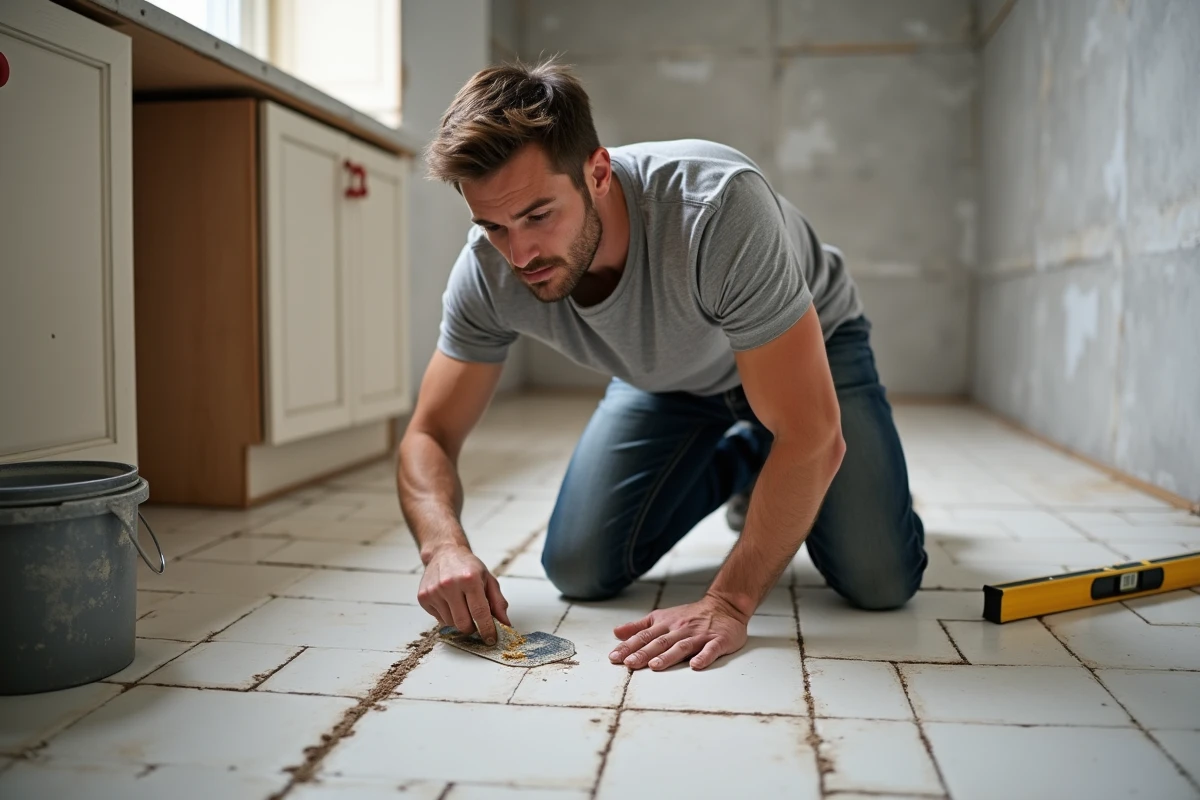
Kitchen renovation and storage: gaining space without pushing walls
The kitchen often concentrates frustrations related to a lack of storage. Before considering an extension or a complete redesign, a few targeted modifications can change the game.
- Install sliding drawers in existing lower cabinets. Most kitchens use simple fixed shelves that leave dead space at the back of the cabinet. A full-extension drawer kit allows you to reclaim this space without changing the cabinet.
- Utilize the ceiling height with an additional row of high cabinets, even if they are narrow. This is where rarely used items (raclette machine, party dishes) can be stored, freeing up accessible areas for everyday use.
- Attach a magnetic backsplash or a hanging bar on the wall between the countertop and the upper cabinets. Knives, spatulas, and spice jars can move from the drawer to the wall, allowing the countertop to breathe.
Vertical storage remains the most underutilized lever in most French kitchens. Thinking in columns rather than floor space radically changes storage capacity.
For the rest of the house, the same principle applies. A custom under-stair cabinet, even made from basic melamine panels, transforms lost space into several cubic meters of useful storage. The cost of materials remains modest if you are willing to install the hinges and slides yourself.
Interior materials and finishes: what truly changes comfort
The impact of finishes on the perception of a space is often underestimated. A well-chosen floor changes the brightness, acoustics, and maintenance of a room in a more tangible way than a new sofa.
Floor coverings and daily maintenance
Click vinyl (plank or tile format) has significantly improved in quality. Current ranges mimic wood or stone with reasonable realism, are water-resistant, and can be installed over existing tiles without leveling if the substrate is flat. Cleaning is limited to vacuuming and a damp mop.
In contrast, solid wood flooring requires regular maintenance (oil or varnishing every few years) and does not tolerate moisture well. In an entryway or kitchen, vinyl surpasses wood in pure practicality, even if the feel is different.
Paint and perception of space
Painting a ceiling pure white and the walls a slightly darker shade (even by two tones) creates an impression of height. The color of the ceiling influences the perception of volume more than that of the walls.
Low volatile organic compound paints are now the norm in large retail. They do not cost more than older formulations and reduce odors during the drying phase, allowing for quicker reintegration into the room.
Energy renovation work: where to start for a coherent project
The classic temptation is to multiply small projects without an overall vision. Replacing windows when the attic is not insulated, for example, reduces the overall effectiveness of the renovation project.
An energy performance diagnosis, even conducted as an indication before any project, helps identify priority areas. It ranks losses by category and guides the work in a logical order: first the envelope (roof, walls), then the openings (windows), and finally the heating system.
This sequence avoids a common pitfall: oversizing a new heating system to compensate for inadequate insulation. A well-insulated building requires less heating power, which opens the door to more compact and energy-efficient equipment.
Public aid for energy renovation exists and evolves regularly. Checking the current programs with local support organizations before signing a quote remains a precaution that can significantly alter the final budget.
Prioritizing insulation before heating remains the most cost-effective rule for a residential renovation project. The rest, painting, storage, finishes, can then be adjusted according to the remaining budget and desired comfort.