
The leaves of the oleander do not turn brown solely due to a lack of water. Some varieties struggle with significant temperature fluctuations, even if watering seems sufficient. Fungal diseases can sometimes set in during the height of summer, contrary to popular belief.
A dry, brown foliage often signals a rapid imbalance between water needs, soil condition, and exposure. Various biotic or abiotic factors can accelerate this phenomenon, requiring an adaptation of watering and prevention practices to limit damage.
Why do oleander leaves turn brown and dry in summer?
Under the scorching heat, the oleander reveals a lesser-known side of its personality. While its glossy foliage and vibrant flowers are dreamy, the summer reality sometimes imposes a daunting challenge. The sun beats down hard, the air becomes dry, and even abundant watering may no longer be enough to seal the breaches.
Water stress, first and foremost, arrives unannounced. When water evaporates faster than it is absorbed, the plant is stretched thin. Reserves deplete. The leaves of the oleander, those that take the most strain, begin to brown, then dry out, one by one. Is the soil too compact or lacking in organic matter? The problem worsens, especially for potted plants where even the slightest neglect has immediate consequences. Conversely, poor drainage suffocates the roots, hindering growth and hastening decline.
Another factor: exposure. An oleander under blazing sun, particularly during a sudden heatwave, can have its leaves scorched despite regular watering. Young plants, less rooted, are the first to crack under these heat spikes.
To learn more about prevention and the right actions to take, you can consult the page oleander brown leaves and treatment. Understanding what harms your plant is already a step towards the solution. Adjusting watering, enriching the soil, considering exposure: every detail matters to maintain the charm of the oleander at the heart of the Mediterranean summer.
Identifying the causes: water stress, diseases, and climatic conditions to monitor
The oleander is not just a beautiful silhouette against a terrace backdrop. It tells, through its leaves, everything it endures and absorbs. Foliage turning brown is never trivial. Behind this warning signal, several factors come into play.
At the forefront: water stress. When the plant lacks water or the soil can no longer retain it, the leaves dry out, fall, sometimes abruptly. A substrate that drains too well or, conversely, excessive watering creates instability that is reflected in the foliage.
But drought is not the only reason for a suffering oleander. Fungal diseases, such as cercospora, often emerge during periods alternating between humidity and heat. They manifest as brown spots, then necrotic areas. Pests, such as aphids or scale insects, extract sap, weakening the plant and intensifying discoloration.
Extreme climatic episodes, such as a sirocco or a long dry spell, necessitate a reevaluation of watering habits and closer monitoring of your oleanders. Daily observation allows for anticipation, acting before the damage sets in.
Here are the main signs to watch for to understand what threatens your oleander:
- Water stress: dry brown leaves, rapid leaf drop.
- Fungal diseases: spots, necrosis, localized drying.
- Sucking insects: sticky, discolored leaves, slowed growth.
Concrete solutions to treat and preserve the health of your oleander
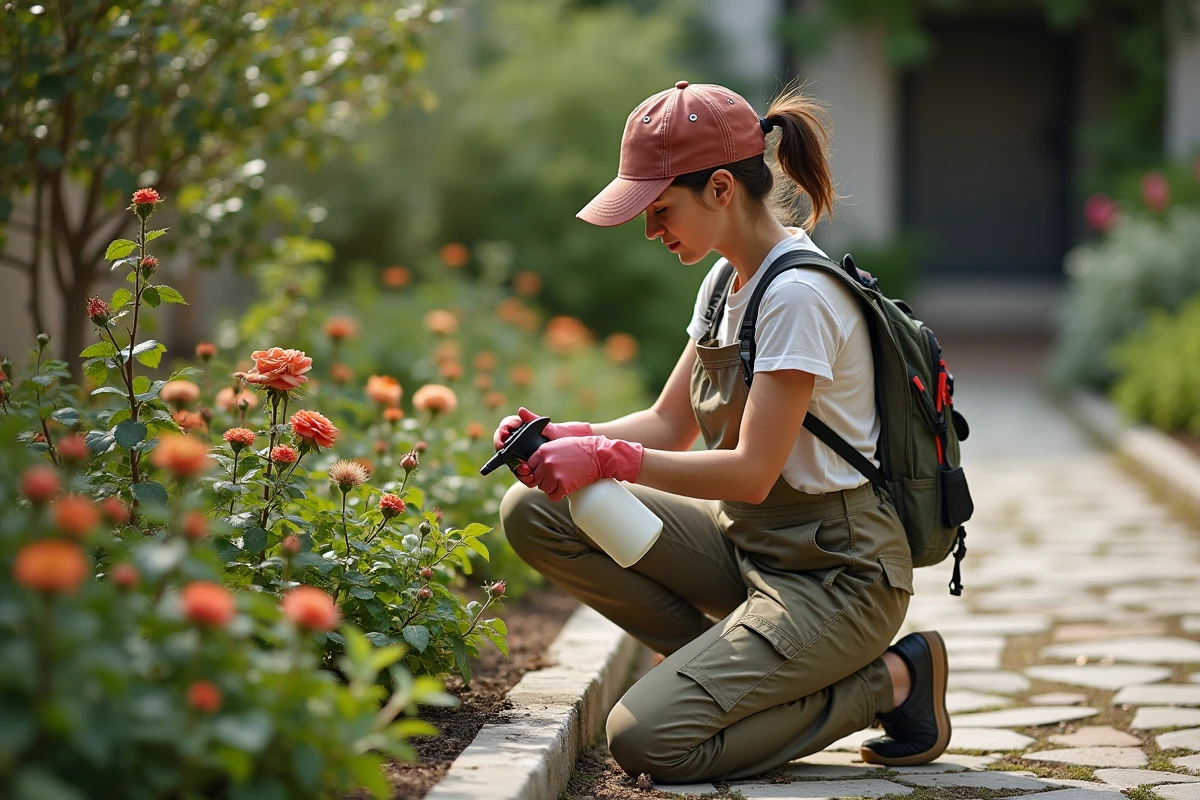
Bringing an oleander back to life is not magic, but precise adjustments. First, watering must be reconsidered: a regular rhythm, generous but spaced contributions, and always at the right time, early in the morning or in the evening, to limit evaporation and maximize effectiveness. A thick mulch at the base retains moisture, protects the soil, and simplifies the gardener’s life.
The choice of a suitable fertilizer makes a difference. Opt for a balanced formula, without excess nitrogen, to support growth without forcing it. Caution: there is no need to apply it during heat peaks. This is when the plant is fighting for survival, not to produce foliage at all costs. Do not hesitate to prune dead branches and remove brown leaves, disinfecting your tools with each use to limit the spread of potential diseases.
Against fungal diseases, Bordeaux mixture remains a reliable ally, to be applied preventively and after each rain. Dose the copper moderately, to spare soil life. If insects invade, opt for a treatment with black soap diluted in water: effective against aphids and scale insects, this simple gesture respects the beneficial fauna of the garden.
To summarize, here are the actions to prioritize to give your oleander the best chance:
- Controlled watering: space out contributions, monitor soil dryness.
- Balanced fertilizer: stimulate growth without excess.
- Targeted treatments: Bordeaux mixture for prevention, black soap against pests.
- Mulching: preserve moisture and limit competition from weeds.
Caring for your oleander is primarily a matter of consistency and vigilance. By adjusting each action to the weather and the plant’s condition, you restore this iconic shrub to its full glory. A handful of soil, an attentive eye, and the oleander is back, ready to withstand other scorching summers without faltering.